
In Search of the Holy Grail: The Story Behind the Fast Teaming Formula™
The paper explains that leaders still rely on older models like Tuckman (Forming, Storming, Norming, Performing) and Lencioni (Five Dysfunctions), despite these frameworks being designed for more stable, long-lasting teams—not today’s fast-forming, virtual and cross-functional environments. With teams increasingly struggling, and factors like digitalisation, individualism and hybrid work making collaboration harder, the authors spent five years analysing thousands of academic studies to find the most efficient, evidence-based sequence for building teams.
How to Handle ‘the Selfish Git’
Individualism is rising, making teamwork harder and increasing the presence of narcissistic, Machiavellian or self-focused colleagues. The paper shows that we can’t change these personalities, but we can manage them through the Fast Teaming sequence: creating clear goals and roles (Get Set), building psychological safety (Get Safe), holding them accountable with evidence-based feedback (Get Strong), and experimenting together until collaboration improves — or until it’s healthier to let them go.
Case Study: Fast Conflict Resolution
Jack and Jill’s relationship broke down through a cycle of mistrust: she felt rejected and anxious, he became increasingly unimpressed and disengaged. Their conflict stemmed from unclear expectations of goals and roles, which eroded cognitive trust. Once they aligned on these — Get Set — they could build psychological safety by sharing vulnerabilities and creating empathy. This allowed them to influence each other constructively (Get Strong) and ultimately collaborate, adapt and deliver their shared goals (Get Success). The paper shows how many conflicts originate in misalignment, and how the Fast Teaming Formula™ provides a sequence to repair relationships.
The Power of Teams to Change Culture
‘Effective teams eat culture for lunch.’ Many organisations now seek a universal “high-performing culture,” defined by accountability, creativity, collaboration, integrity, respect, adaptability and resilience — the very same values found in high performing teams. By enabling teams to work exceptionally well together, the cultures we desire are far more quickly realised.
Is Now the Time for Extreme Teaming?
Teams today are working in more extreme circumstances than at any time in their history. Skippers in stormy seas rely on GPS, dashboards and instinct; similarly, workplace teams use data, judgement and experience to make the best calls under pressure. Excellent decision making is useless without coordinated delivery, and extreme teams show us how cohesion, trust, efficiency and adaptability are created when it matters most.
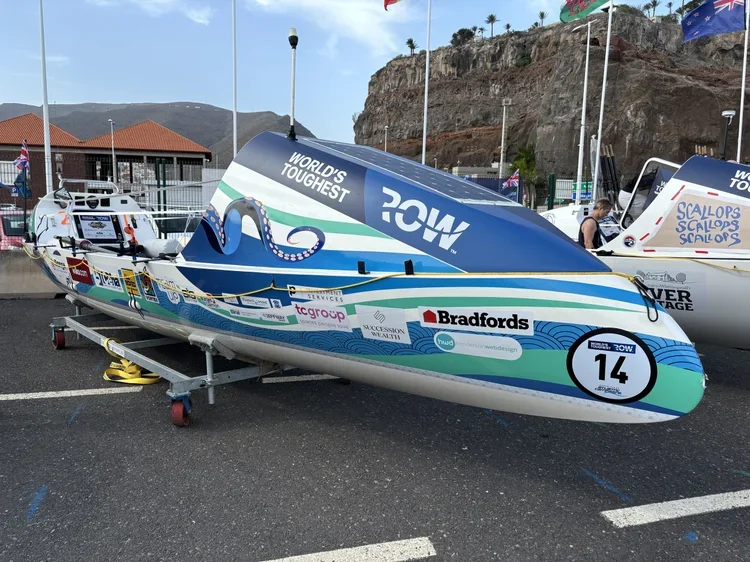
Our Sponsorship: The Mayflower Atlantic Challenge
As part of our long term sponsorship, George Karseras donated his Extreme teaming expertise to the Mayflower Crew, coaching them prior to their Atlantic Rowing Challenge.
The Fast Teaming Guide: Building Better Teams to Improve Organisational Resilience
In this paper, we’ve combined what we know about building effective teams with the findings from recently published research, to help leaders, especially those working in Risk, to build better organisational resilience.
The Quickest Way to Build Trust in Teams
High-performing teams build trust quickly through cognitive-based trust, formed by perceived competence, clarity of roles, and shared expectations. When alignment is created early, fast trust forms, enabling emotional trust and deeper collaboration over time.
The Fast Teaming Guide: Building Psychological Safety
Psychological safety is highly influential, enabling good, honest and robust conversations to take place resulting in better collaborations. Teams with it, become more creative, experimental, less conflictual and ultimately more successful.
The Fast Teaming Guide: Virtual Working
Leading a virtual team is known to be a tough ask. The Fast Teaming Formula has been designed to help virtual team leaders, as virtual teams might be considered a more ‘extreme’ leadership task, and the more extreme the teaming conditions, research shows, the better the formula works.
The Fast Teaming Formula™ Explained
Why did Amy Edmondson describe our Fast Teaming Formula™ as ‘a compelling and practical team building “code” to optimise team performance’