
In extreme times, we help teams communicate with accuracy and humanity.

At work, our verbal interactions define our culture, so we train you how to interact and ‘do your culture’ at the same time.

AI and digitalisation are making ‘teaming’ an extreme skill. We train these skills.
Use our innovative methods to break silos, quiet egos, eliminate heroics, and transform your leadership.
We help teams and leaders ditch stale meetings and build interactions that actually move things forward - using proven Formulas designed to get maximum value every time people meet.
Meetings power your organisation. Every conversation is a meeting - whether it’s over coffee, in a corridor, or around a table.
Yet how often have you heard - “That’s an hour of my life I won’t get back?”
We fix inefficient meetings with the Fast Teaming Formula™ and the Polaris Formula™.
The Fast Teaming Formula
The Fast Teaming Formula - based on extensive research in extreme teams, sports and business teams - provides the science and building blocks for leaders to build teams and make them effective - fast.
Amy Edmondson, Professor of Leadership and Management at Harvard Business School - consistently ranked as the world's most influential management thinker by the Thinkers50 global ranking - described our book and unique Fast Teaming Formula as:
“A compelling practical Formula to optimise team performance.”
The Polaris Formula
The Polaris Formula - derived from the Fast Teaming Formula - gives teams a framework, structure and impetus to drive powerful meetings.

We show you how to combine both Formulas to turn your meetings into the engines that power better team performance, leadership effectiveness and cultures.
This site is an introduction to the science behind our approach and its practical application. If you’d like to find out how we’ve developed our Formulas and applied them in the real world, check out our book, Build Better Teams and our Journal
“A Formula ready to deal with the ever-growing complexity that organisations face.”
If it works in the middle of the Atlantic and on the 22 metre line;
it can work for your teams too.
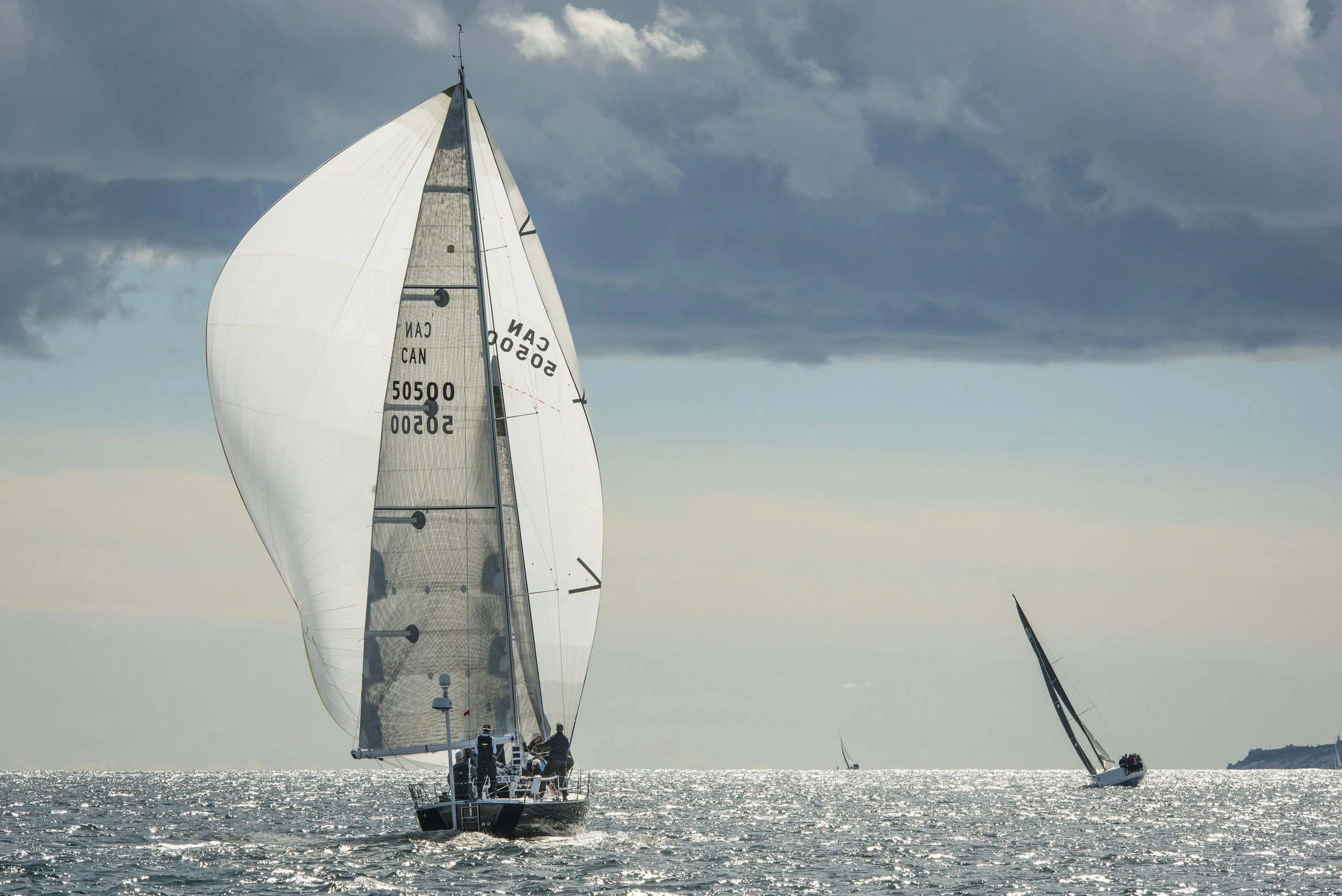
We’ve built and trained teams fast in high-pressure, extreme environments - from Air Ambulance, oil rigs and Atlantic rowing crews to Scottish Rugby – not only helping transform their meetings, but their culture, leadership and output as a result. By applying lessons from these extreme teams, we deliver the fastest results in the most demanding corporate environments.
Most meetings fall short
You don’t need us to tell you too many meetings waste time.
Despite plenty of attempts to make them more effective, we see only limited success. People still go down rabbit holes, hijack the agenda, or take too long to make decisions. Even if they don’t do any of these, too many people leave frustrated, with little clear idea of what’s been agreed, by whom, and when.
This happens again and again and again.
Then there are the follow-up calls, more meetings and attempts at clarification - all of which burn through time, goodwill and morale. Projects end up stalling or going off-track and the costs to the organisation are huge.
What should be a powerful, effective engine becomes - at best - a drudge.
Using our Polaris Formula, we show teams how to “work in” to meetings with clarity, maintain the right balance of safety and challenge during discussions, and “work out” with clarity too.
This simple rhythm transforms meeting speed, quality and follow-through.
Polaris strips away the ambiguity, chaos and time-wasting, giving you a clear, simple, repeatable method that transforms your meetings.
“A great way to train meeting dialogue. Simple enough to use, complicated enough to keep us interested.”

How we transform meetings into value creation engines?
Meetings are not an end - or even the problem - in themselves. They’re simply a way to generate value and get your organisation to its strategic goals. Change the way your meetings work, and you change not just the outputs, but the way your teams work together.
The results?
Cleaner Decisions
Stronger Follow-through
Better Cross-team Coordination
Psychological Safety and Constructive Tension
Value, not Frustration
That’s not a claim we make lightly - we’re very happy to show you how in an initial conversation.
The hidden cost of meetings
Everyone knows meetings are expensive - and even more so when time is wasted because people aren’t clear on their purpose, aren’t aligned on their outcomes and are working with poor agendas. Efficiency drops still further when attendees haven’t prepared effectively.
Then there are costs of poor meeting processes, and the most damaging costs of all - the costs from leaving the meeting without clarity:
Rework and duplication
Follow‑up meetings
Decision latency / delay
Managerial overhead and coordination drag
Morale & engagement drag
Imagine your organisation calls a one-hour meeting with 10 people with an average salary of £65/hour. There’s only an outline agenda, people are vague about why they’re there and there are no clear outputs or actions.
£65 × 10 people £650
But this is just the basic cost. We know that the real-world, post-meeting cost is typically two to five times the cost of the meeting itself.
4 people × 2 hours × £65 £520
6 people × 0.75h × £65 £292
1 day × £1,500 £1,500
1 manager × 1h × £95 £95
Our Clients
We’ve helped build teams, leadership and culture for some of the best-known brands in the world, as well as outstanding smaller organisations led by inspiring entrepreneurs.
Our clients include publicly listed companies, privately owned businesses, and organisations across the public, not-for-profit, and sporting sectors.
We’ve worked in banking, pensions, retail, insurance, travel, media, oil and gas, software, construction, education, property, nuclear energy, and publishing.






Working with extreme teams
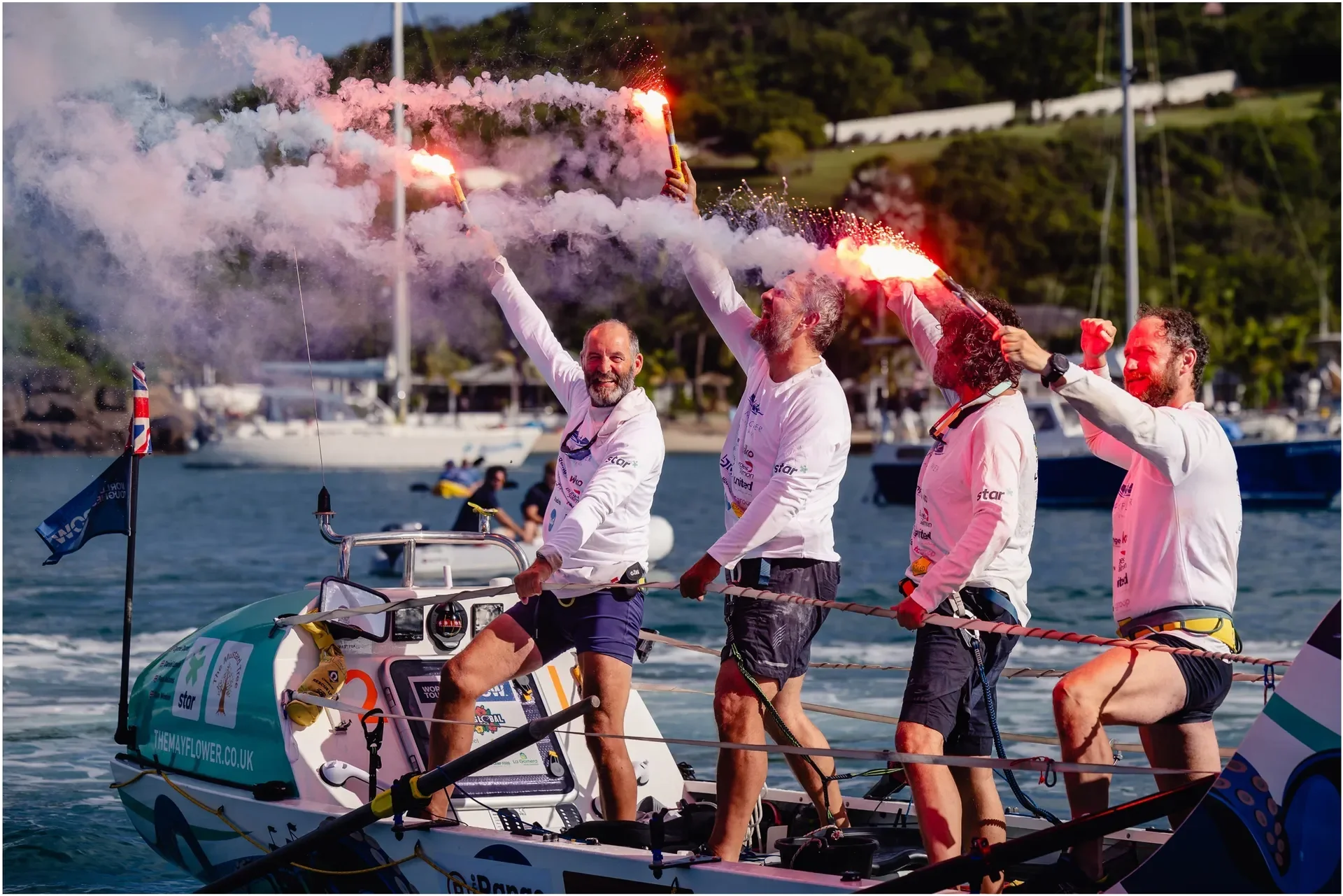
As well as the research with Ed Stafford (see below), we have worked with - and conducted research on - many extreme teams, including sponsoring the Mayflower Crew in 2024. When hearing they planned to take part in the World’s Toughest Row Atlantic Challenge, our founder, George Karseras, donated his extreme teaming and coaching expertise.
In just a day, George was able to achieve remarkable results; their newly-forged teamwork and mental endurance got the Mayflower Crew over the line on 24 January 2025.
“By applying lessons from extreme teams, Team Up delivers proven solutions generating rapid trust and the fastest results in the most demanding corporate environments.”
“Expeditions are a million miles from the workplace, but I have found that they are an extraordinary training ground for life. George and his Formula will help others from falling in the same pitfalls that my team plunged into, time and time again, in the Amazonian jungle”