
How to Handle ‘the Selfish Git’
Human beings, according to sociologists, are becoming increasingly self-orientated, in countries all over the world. Unfortunately this means we are now more likely to come across ‘selfish gits’ at work than any time in our working history. This presents a number of challenges, including for leaders, that of building great teams. The task becomes much harder when dealing with an “I come first” attitude instead of a “team comes first”. Building team excellence becomes virtually impossible when we witness the extremes of psychopathy, narcissism or Machiavellianism, and all we can do is minimise the damage and make the most of the cards we’ve been dealt. To help us we can better understand the “terrain of individualism” and apply a solid and reliable team effectiveness formula to guide our decision making.
Terrain Awareness: Individualism is Rising
The principle behind individualism—that we have the right to live life by our own rules—sounds fine. It promotes freedom, diversity, and autonomy, and forms the philosophical backbone of modern democracies. Balanced well, it leads to happier societies, like those in Scandinavia.
Collectivism, where the group takes precedence, brings community, happiness and support. Our survival over millennia has depended on shared effort—hunter-gatherers, farmers, industrial workers—all thriving through collaboration. But a shift toward a “Me” society is reducing our compassion and sense of community, replacing them with self-promotion and selfishness.
Unchecked individualism promotes “freedom without responsibility,” a culture of fame-seeking, vanity and entitlement. This is not just hearsay — red lights are flashing against several key indicators that sociologists use to measure it. In literature and music, “I” and “me” dominate more than ever. Swearing, once taboo, is skyrocketing in books and everyday use. Baby names are becoming more unique, even in traditionally collectivist cultures like Japan. Values have shifted: fame, money, and image now trump community and selflessness.
Terrain Awareness: The Dark Triad
Now to the juicy bit-the darker shades of individualism. These folks aren’t just self-centred. They’re dangerous.
Narcissists: Defined by grandiosity, need for admiration, and lack of empathy. Think (allegedly) Donald Trump, charming on the surface, but driven by insecurity and ego. Narcissists may climb high in organisations, some, like Jack Welch, George Soros, Madonna (allegedly) and Simon Cowel (allegedly) are productive narcissists who use their drive for societal gain. But at the extreme, narcissists destroy value, create fear, and care only about self-promotion. Studies link narcissistic CEOs with financial fraud, bullying cultures, and toxic workplaces. Narcissism is rising, particularly among younger generations.
Machiavellians: Cold, calculating, manipulative. Inspired by Machiavelli’s The Prince, they build alliances, sabotage rivals, and put self-interest above all else. In the corporate world, they’re often politically savvy and well-liked-at first. But their deceit erodes trust. Politicians like Nixon, and yes, Trump again, exemplify Machiavellian traits: undermining critics, taking credit for others’ work, and using faux altruism to look good.
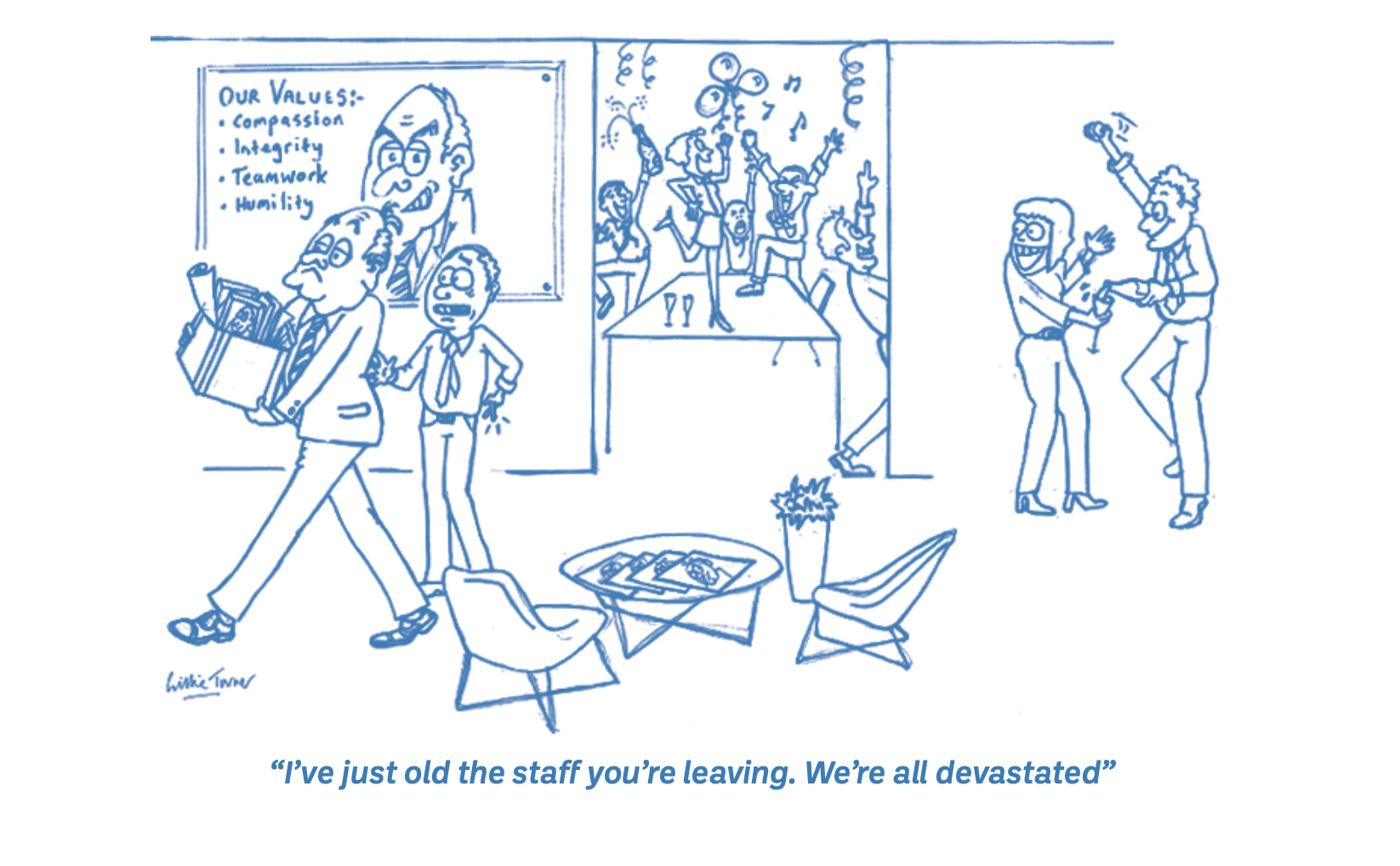
Psychopaths: Now we get serious. Psychopaths mix narcissism’s self-love with Machiavellian manipulation and add a big dose of cruelty. High charm and strategic acumen mask their moral emptiness. They’re not rare in business, studies show up to 20% of CEOs may exhibit psychopathic traits. They don’t burn out-they burn others out, leaving trails of fear, bullying, and dysfunction. Psychopaths are attracted to chaotic environments where their lack of empathy gives them an edge. Worse still, they breed toxicity in teams, like Ridley Scott’s alien laying eggs-creating junior versions of themselves. When they leave, most celebrate.
Terrain Awareness: What’s Behind Growing Individualism
Wealth and Education: As societies get richer and more educated, individualistic behaviours rise. More to gain means more self-focus.
Urbanisation and Tech: Migration to cities and tech innovations weaken family and local community ties.
Social Media: Fosters comparisons, encourages recognition-seeking, and paradoxically leaves us lonelier.
Self-Esteem Culture: Kids are taught to shine individually rather than contribute collectively, leading to adults who crave attention and praise.
Your Playbook — The Fast Teaming® Formula
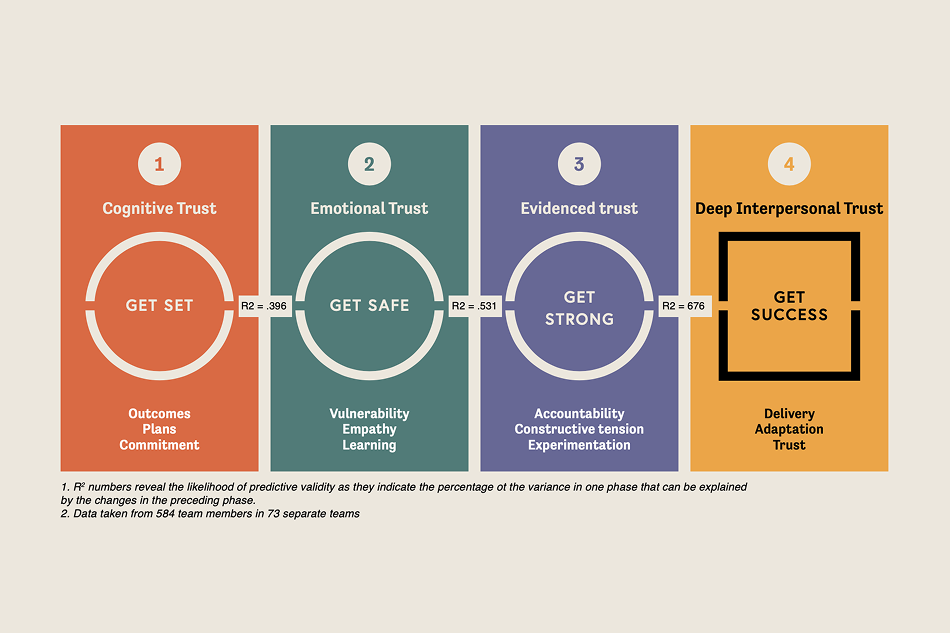
Start with the medical rule of thumb: ‘prevention is better than cure’. The ideal is to screen out selfish personalities during hiring by probing for genuine examples of teamwork, especially in the more charismatic. But the most self-serving still slip through, they are charming, slippery, and hard to detect. So, we need to be ready after they’re in the team. That’s where the sequencing of the Fast Teaming Formula® can help you. Start by establish several explicit agreements (The Get Set Phase).
Agree Goals, Roles and Responsibilities
Agree the roles and responsibilities behind any goals they share with others Socialise these agreements to others, especially those who matter, namely those who can either help or hinder their career success. Individualists thrive in ambiguity; it lets them game the system. Formally agreeing goals, roles and responsibilities will increase accountability and with it the likelihood of better team contributions.
Agree Skin in the Game
Forget changing individualists through pep talks, they won’t be inspired by team purpose and missions. The quickest way to engage them? Appeal to self-interest. Give them something at stake – a reason to care about team success.
A vivid example: in the Andes plane crash survival story, two very different men – selfless Parrado and maverick Canessa – risked everything to save their friends. Canessa, thought of as arrogant and self-focused, only agreed to leave once he realised his own survival depended on it. That’s skin in the game. Motivation differs, but results matter. Tie rewards, whether job security, promotion, money, or status, to team success. You’ll engage the self-interested and better understand what their presence costs the group.
Agree Norms (Get Set)
Canessa skipped duties before the climb, and the rest of the survivors accepted it, because they’d already agreed protecting his energy was important . In teams, it’s easier to challenge unhelpful behaviour if you’ve already agreed what’s in bounds and what’s not.
Pay particular attention to ‘the Empowerment Deal’. The self-orientated, especially the Mavericks, don’t normally like tight leashes – preferring to be trusted, empowered and set free. So set an explicit agreement up, but with the checks and balances in place to ensure the trust you place in them is reciprocated. Make these ‘normative agreements’ upfront. Talk about them, document them, refer to them. Remove the ambiguity.
Make Them Feel Safe — Play to Their Ego (Get Safe)
Sometimes the most selfish are the most insecure, requiring more ego building than we might think. Ask them for their opinions, give them plenty of appreciation, empathise with them, show them you respect them, put an arm around them. Even though sometimes, these are the last things you feel you want to do, these just might be the key that opens the door to better collaborations. Compare how Macron charmed Trump in the Oval Office with Zelensky’s ill feted meeting with him and Vance.
Role -model and encourage all 9 Get Safe skill sets within the Fast Teaming Formula - it will help build the necessary psychological safety to then in turn fuel important learning and feedback conversations. We train teams to use our MAPs (Mirrors -Adjust- Progress) techniques. These simple, short but practical forums encourage teams to answer the question: ‘how are we working together as a team?’. Regular and well managed team discussions ensure the more selfish are held to account in front of others as well as enabling them to feel heard themselves.
Be Tough (Get Strong)
The steps taken so far advocated in the Get Set and Safe phases of the formula will now help you implement the skills in the Get Strong phase. Individualists, especially dominant ones, hate being challenged and will often get hostile
But if the goals, roles, responsibilities and norms are all agreed and all team members are trained to deploy descriptive, evidence-based feedback, it’s so much easier to call them out. The key is switching from opinion to observation, so change “You can’t be bothered” to “You didn’t reply to 4 emails in 3 weeks”. Minimise their wriggle room. Watch out for early warning signs of game playing and nip things in the bud early doors.
If peer feedback doesn’t land, then you, as team leader must step in – by holding them to account for agreements they've broken, using the skin in the game created, to ensure that, even if their peers struggle to influence the selfish, you can.
Experiment (Get Sucess)
Finally, don’t give up - seek counsel from any trusted advisors. The last skill in the Get Strong phase of our Formula is to experiment to deal with conflict. Our formula is sequenced scientifically , so this skill appears last for good reason. Experimenting with conflict means noticing ‘together’ that there IS conflict and ‘stuckness’ exists. Put the ‘stuckness elephant' on the table. Then try to experiment together, revisiting past agreements, discussing ways to increase safety and brainstorming together, how to make things better, together. Try experimenting until it is no longer time well spent, i.e. the benefit of removing the 'selfish git' outweighs the benefits of retaining them. Of course you may have come to this conclusion much earlier. As they say, 'if you can't change the people, change the people'.
‘Build Better Teams is an insightful book offering leaders a compelling and practical team building “code” to optimise team performance. Starting with a riveting extreme case study of a team that hiked the entire Amazon, the book is refreshingly grounded in the academic research on what makes teams effective. The book illuminates the challenging relational work that drives great teamwork and provides a well -constructed way forward through this complexity.’
— Professor Amy C. Edmondson, Harvard Business School
Key Takeaways
Individualism is increasing globally.
More extremes manifest in the ‘Dark Triad’ and together with the more benign self-orientated, they undermine team cohesion.
We can’t change Psychopaths, Narcissists or Machiavellians, we have to adapt to them but we have more scope to manage and influence the selfish team player.
For all types, we can deploy the sequencing of the Fast Teaming Paradigm® to minimise disruption and maximise team cohesion and effectiveness.
Get this right, and even the most self-serving team members can help drive shared success.