
The Power of Teams to Change Culture
‘Effective Teams Eat Culture for Lunch’
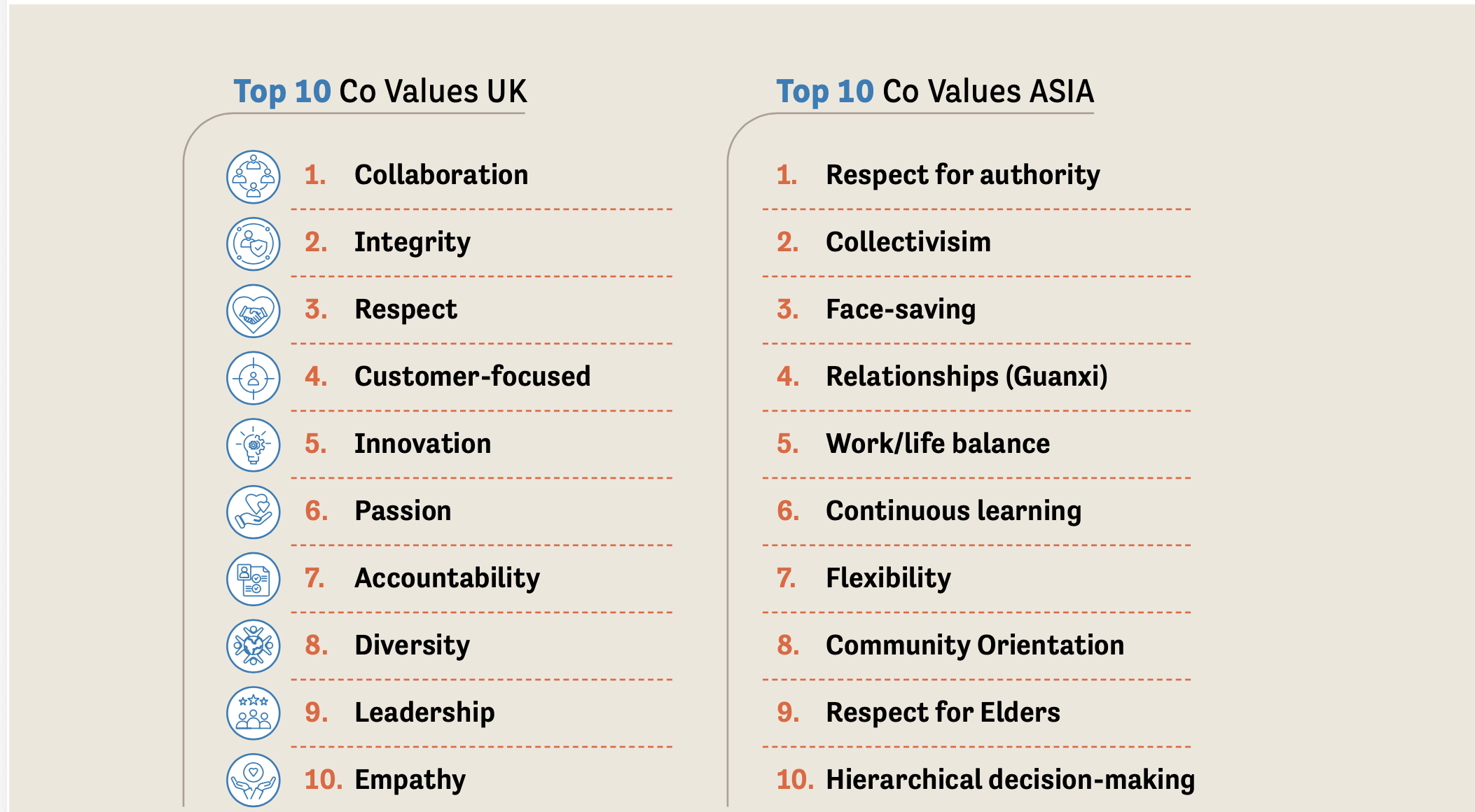
Not so long ago, corporate cultures used to be quite distinct. Whilst some variation still exists, the commonality of rapidly changing technology and globalisation means many organisations now seek a more universal type of corporate culture, commonly referred to as 'the high performing culture'. What's interesting about the values and behaviours most often used to describe this type of culture: accountability, creativity, integrity, collaboration, customer centricity, respect, adaptability, resilience etc, is that these are exactly the same as those found in high performing teams. So it’s not culture that eats strategy for lunch, it’s team working!
This paper expands on this principle to support the notion that by focusing culture change efforts on enabling teams to work exceptionally well together the target cultures most of us desire will more speedily be realised.
Leaders are as Effective as the Teams they Lead
Systemic approaches to culture change include leadership development; diagnostics; refreshing the talent pool; reinventing communications; redefining organisational values; re-engineering performance management and realigning reward systems. All are known to be powerful contributors. Opinions differ on the main effort or ‘focal point’ of culture change programmes. If there is any consensus, it would be to prioritise leadership — whether it be changing it, rewarding it or developing it. The purpose of leadership is to release maximum value from their teams. Yet we too often place ‘leaders’ as our heroes on centre stage, under the culture change spotlight, and in doing so, we not only risk creating leaders who unconsciously see themselves as more important than the teams they serve, we also under-utilise the power of their teams.
My Team Matters
‘Am I Boverred?’
HR professionals, CEOs and a few managers may be interested in changing culture, but the vast majority of us are mainly interested in doing well for ourselves, our customers, our families and our colleagues, especially those closest to us in things we call 'teams'. This is because teams are special places – they bring out the very essence of being Human. They feed our inherent need of being part of a community, for sharing, for giving, for feeling part of something, for joining a collective mission, for feeling connected.
Conversely dysfunctional teams drain our energy. We know that at least 75% of teams are ‘no more than mediocre at best’, so for many of us, coping with blame, aggression, helplessness and frustration, doesn't leave us with much energy for anything else, notably contributing to building new cultures at work.
Power-Up with Contagion
Changing culture fundamentally requires us to change behaviours. We can’t do this by simply telling people what to do differently and then rewarding them for doing it. Changing underlying mindsets and emotions requires more savviness, such as leveraging the power of team contagion.
If we change what people think and do, then we also have to change underlying emotions. The biological purpose of an emotion is to actualise behaviours and keep us alive, meaning change practitioners have to win hearts as well as minds. Teams are where our emotions are most powerfully influenced. It is in teams that emotions spread from member to member more quickly than anywhere else.
We lose more weight when we’re part of a weight loss team and experience less pain when we’re part of treatment groups. Amy Edmondson’s taught us that the psychological safety at the team level was a construct that mattered more than the average safety of the individuals in the team.
Like a virus, emotions spread quickly in confined spaces. Teams are like Petri dishes. Think of the fear in a lifeboat full of people facing the start of perilous survival journey and how, when just one person starts screaming “we’re all going to die”, fear turns to panic. Is it any wonder why, not so long ago, the penalty for stirring up lifeboat panic was to be thrown overboard?

With their cumulative emotional and cognitive contagious power, teams are the single most powerful cultural norm carriers that exist in our organisations.
Mindsets and values are contagious. We study harder and meditate better when we are surrounded by others doing the same. The social pressure to accept others’ values in a team is especially powerful when these ‘others’ are respected. We find this respect within the team as well as from those leading it. This is how cultural norms take shape – team members following team-mates, especially the more influential, until the behaviour, or the assumption behind the behaviour, becomes ‘taken for granted’, and implicitly accepted.
Teams are the primary influence of cultural change, not because they contain influential leaders, but because they consist of influential leaders and influential team-members.
In Summary
Our culture change mission is not so much to change corporate culture but to enable strategy to be swiftly executed. Although a few clever people might be the principal architects of corporate strategy, it is our teams who are responsible for its deployment, who translate strategy into goals, plans and tactics – managing the inevitable conflicting priorities and constant disruptions. Leaders play a vital part, but only in coordination with their teams. It is by distributing and sharing leadership, exercising collaboration skills and employing a number of teaming disciplines that strategy is successfully delivered.
If culture exists to execute strategy, and teams also serve to execute strategy, and high performing cultures are the same as high performing teams, then the idea of building high performing teams as a principal means of changing corporate culture, strikes me as more than just a helpful culture change lever, it might just be THE lever.
Key Takeaways
All the behaviours we seek in our target cultures are the same as those driving excellent teams.
We have more energy to improve the team we work in than improve corporate culture.
It is in teams where we experience the most emotional, cognitive and behavioural contagion. Each boosts the adoption of a new culture.
It is teamworking that most influences the speed and success of strategic execution, which is the very reason why we want to change culture in the first place.
As a result of 1–4, invest time and resources making teams successful and you will find that the culture you desire will inevitably follow.
➜ Read George Karseras’s Ground Breaking Book: Build Better Teams for more detailed history, tips and techniques to speed up building your team using the Fast Teaming Paradigm®, endorsed by Amy Edmondson and Edgar Schein.